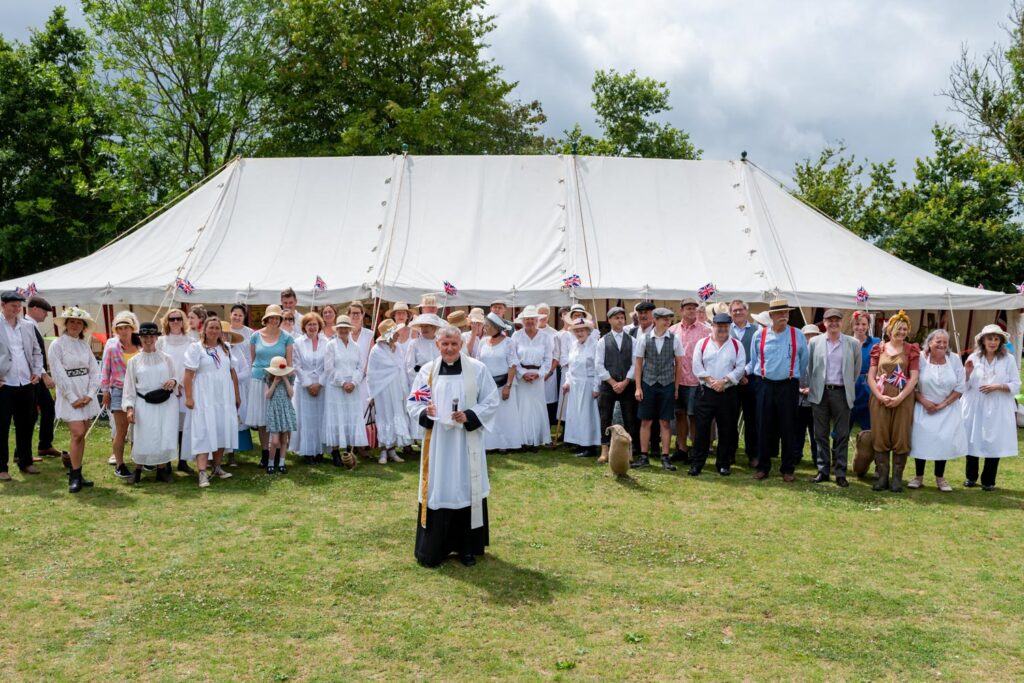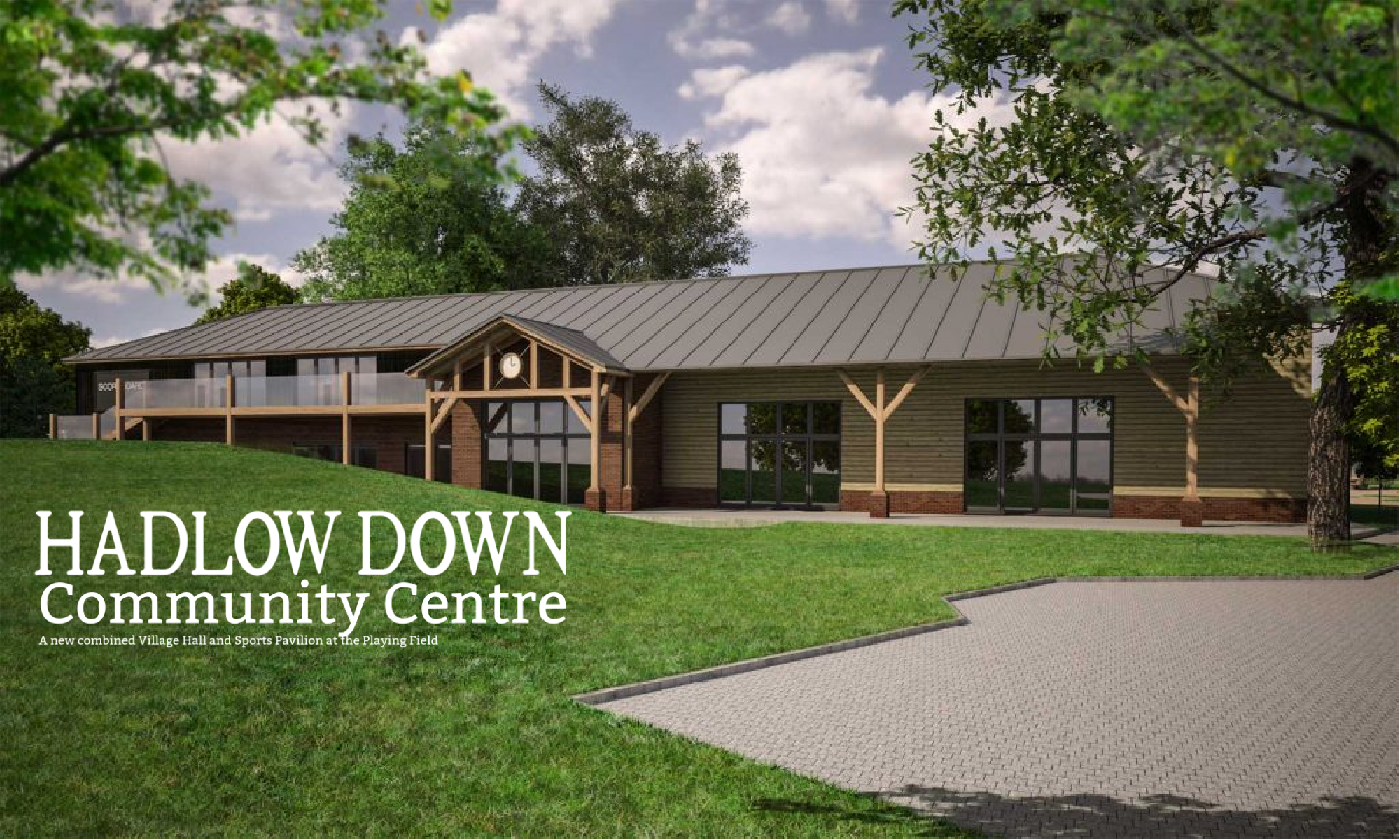
Hadlow Down is a small rural village with something precious: a strong and distinctive culture of people doing things together.
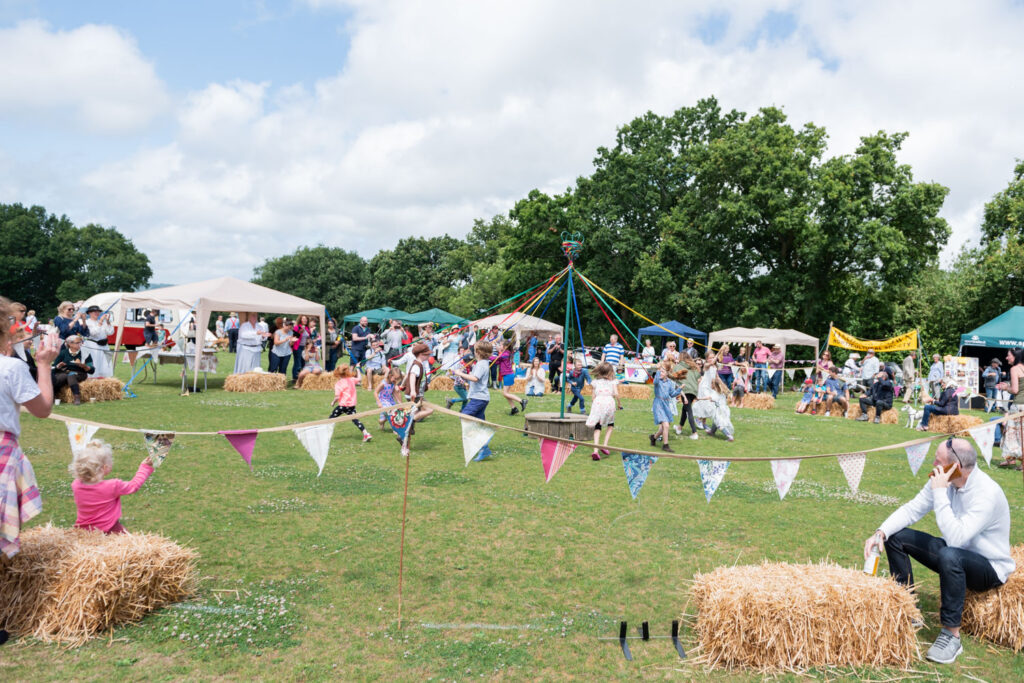
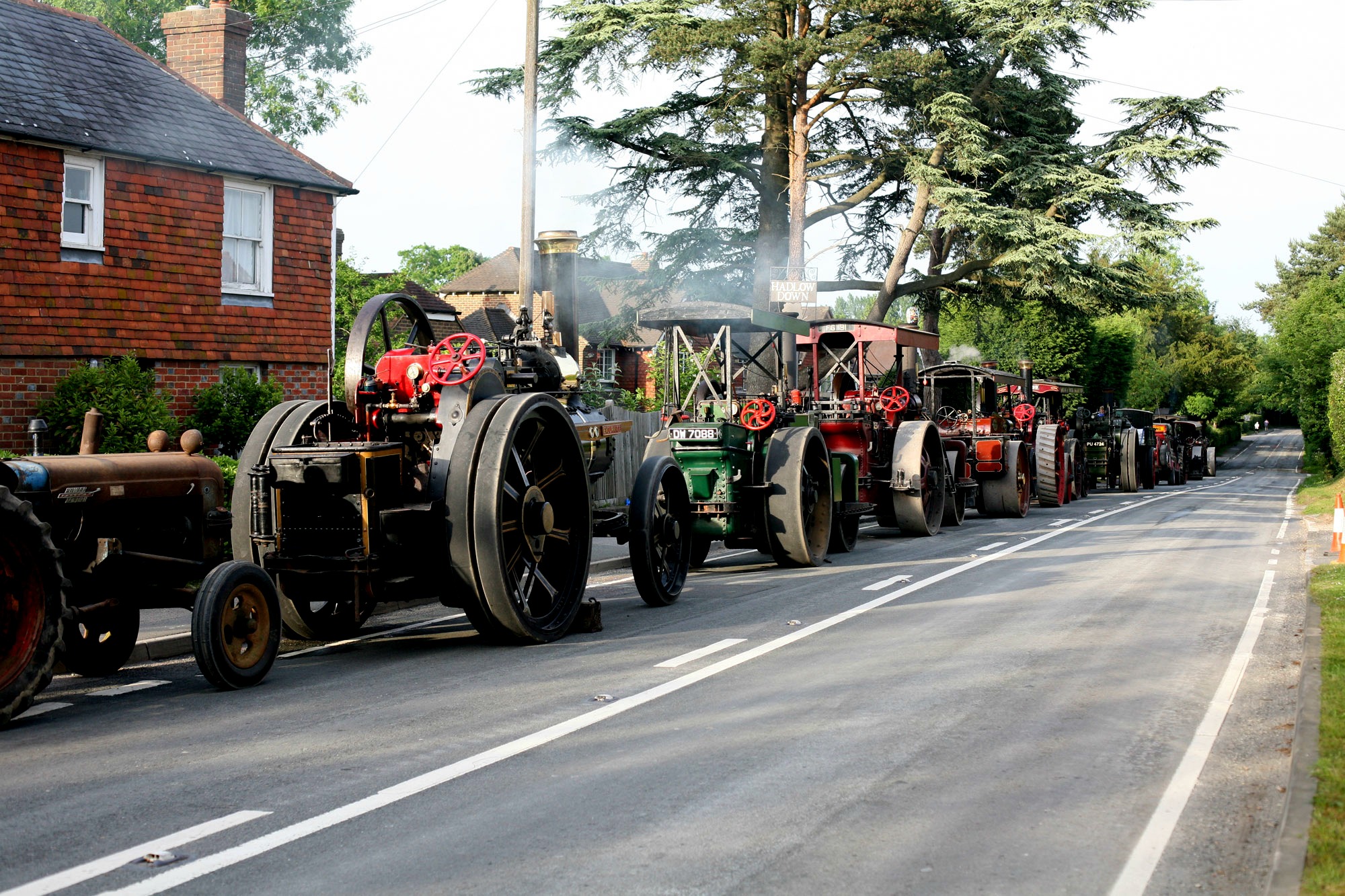
Our annual Village Fayre brings generations together on the Playing Field. The Steam Rally at Tinkers Park is part of the village’s history and identity. The New Inn remains a proper village pub and social hub. Our active Drama & Variety Club brings local people together on stage, backstage and in the audience. There are markets, lunches, clubs, classes, sport, bonfire celebrations, exhibitions, fundraising events and countless volunteer-led activities.
None of these things happens because somebody provides them for us.
They happen because people here make them happen.
That culture of participation, volunteering and looking out for one another is one of Hadlow Down’s greatest assets.
But a community like ours needs places in which to happen.
And one of the most important of those places is now at risk.
What happens if we lose our Village Hall?
Our existing Village Hall has served Hadlow Down for more than half a century.
Generations of residents have walked through its doors for meetings, plays and pantomimes, markets, classes, lunches, celebrations, fundraisers and village events.
But the building is ageing and increasingly difficult to maintain. Its condition, accessibility, limited parking and restricted facilities mean that it can no longer provide what our community needs for the future.
There is now a very real risk that Hadlow Down could lose its Village Hall before a replacement is ready.
Losing a Village Hall is not simply losing a building.
It means losing a stage and somewhere to rehearse.
Somewhere to serve lunch.
Somewhere to hold a market.
Somewhere affordable to meet.
Somewhere to run a class, hold an exhibition, celebrate, volunteer, fundraise or simply gather.
Hadlow Down is resourceful. If the existing hall closed, people would undoubtedly try to find alternatives. Some activities might find temporary homes. Others might move to neighbouring villages and towns.
But not everybody can — or will — travel elsewhere.
And some of the things that make Hadlow Down distinctive depend upon people being able to do them here, together, in their own community.
Our ambition is not simply to preserve the activities we have today.
It is to give them somewhere to survive, adapt and flourish for another generation.
A village culture worth protecting
Hadlow Down is more than a collection of houses.
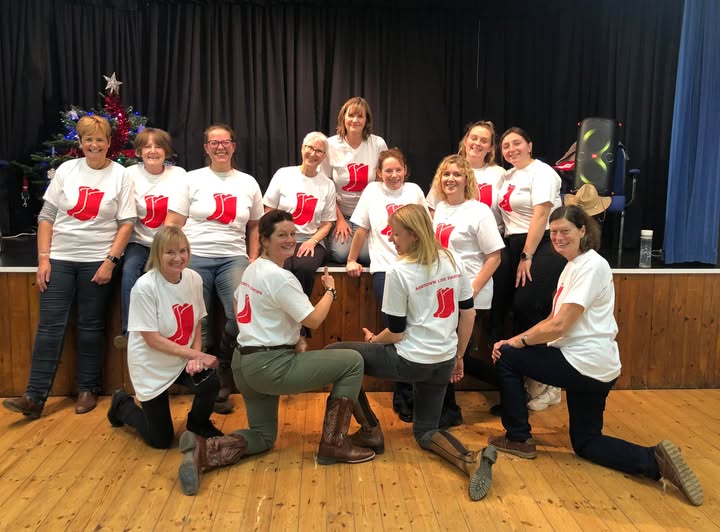
Its identity has been created over generations by the people who live here and by the things they choose to do together.
The Steam Rally at Tinkers Park reflects the village’s long association with steam, agriculture and rural working life.
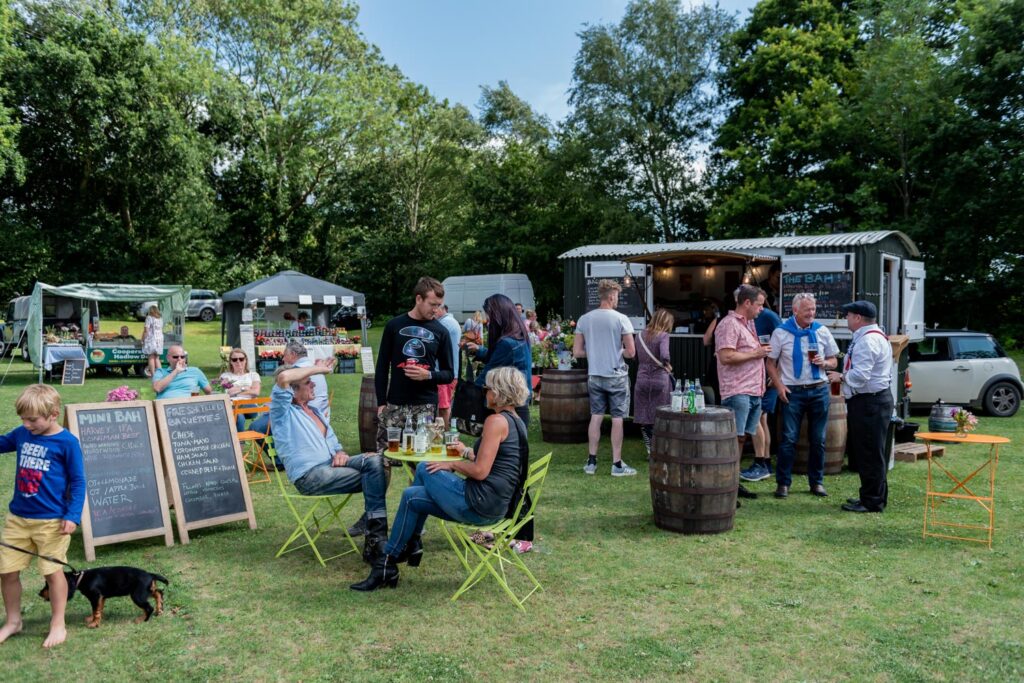
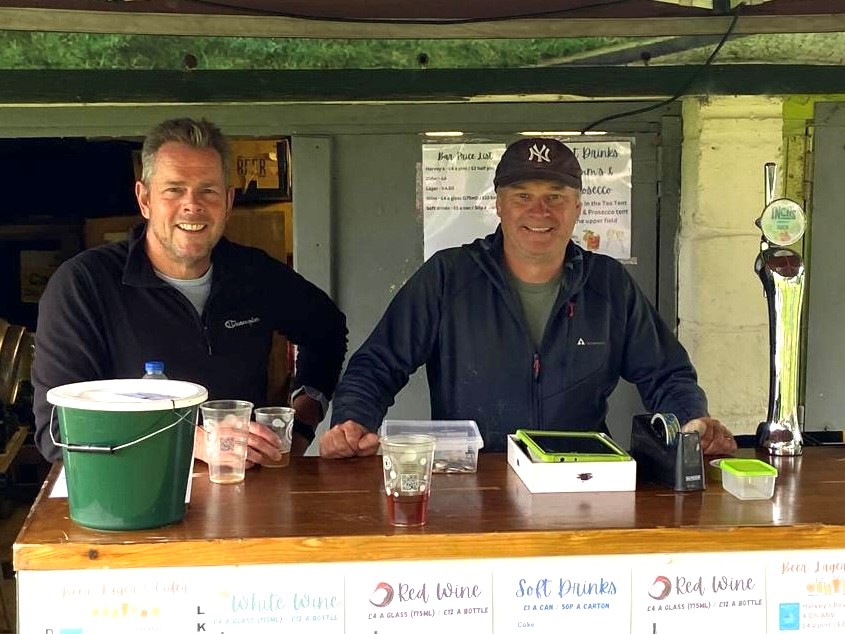
Our annual Village Fayre brings residents and visitors together while supporting local organisations and community causes.
The New Inn provides something increasingly precious in rural communities: an informal place to meet, talk, celebrate, listen to music, take part in a quiz or simply encounter other people.
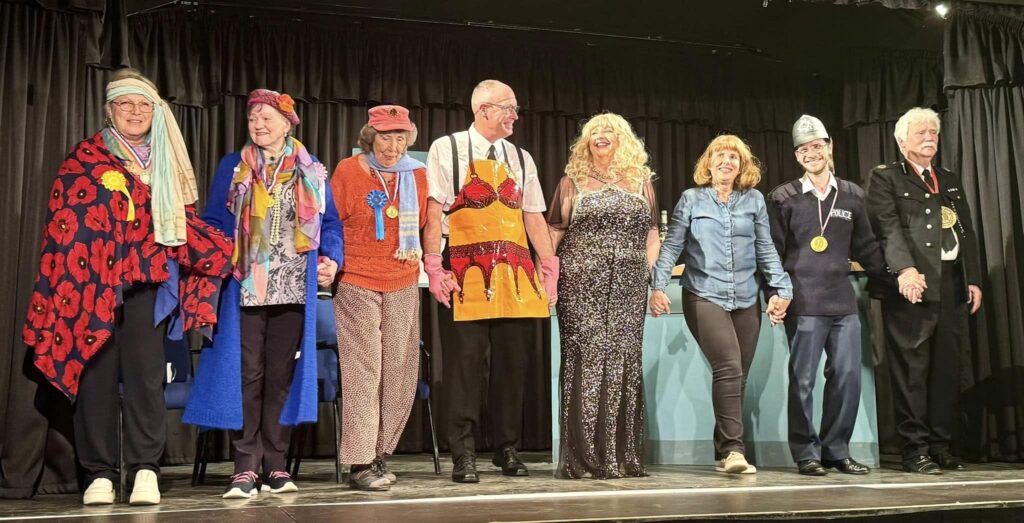
And our Drama & Variety Club continues a particularly special village tradition — local people making theatre for local people.
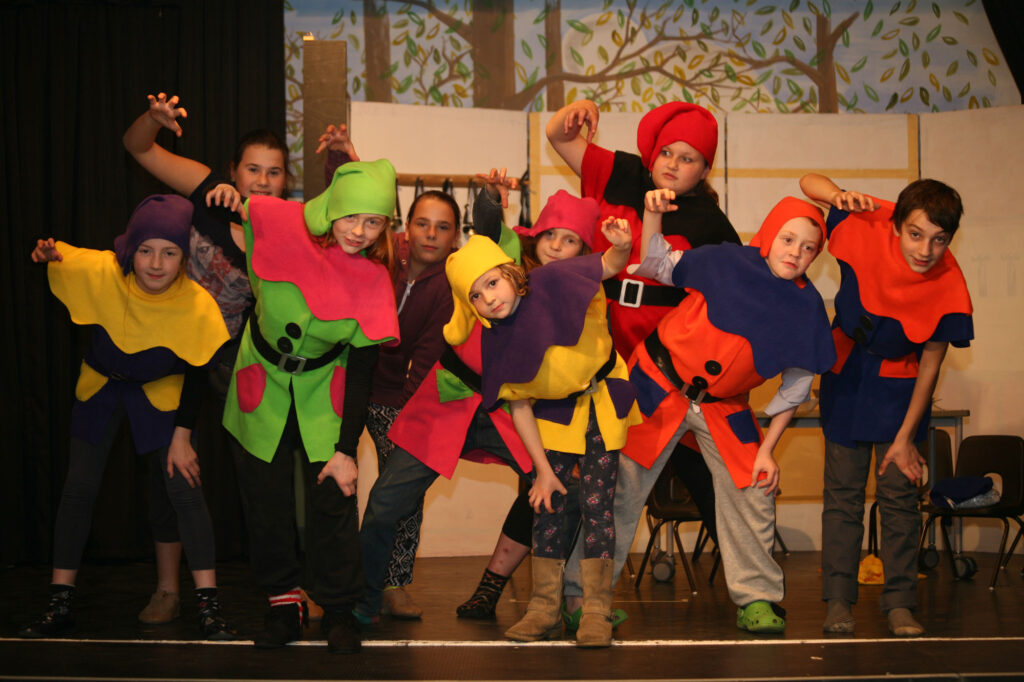
In 2026, after a break of several years, pantomime returned to the Village Hall.
Cast, backstage volunteers and front-of-house helpers came together. Scenery was made, lines were learned, the stage came alive and an audience gathered.
That is community culture in its simplest form.
Not something consumed. Something created.
The new Community Centre gives us the opportunity to protect that culture while opening it to people who cannot fully participate in it today.
People have told us they want more to happen here
There is an important difference between travelling elsewhere because you choose to and travelling elsewhere because what you need is not available where you live.
Our 2023 Community Survey gives us valuable evidence about this.
Among respondents answering why they attended activities outside Hadlow Down:
57%
said the activity they wanted was not offered in the village.
34%
said facilities were better elsewhere.
27%
said the venue in Hadlow Down was not suitable.
22%
identified insufficient parking as a barrier.
And just:
1%
said they actually preferred to attend activities outside the village.
That distinction matters.
It suggests that people travelling elsewhere for activities is not simply a lifestyle choice.
For many, it is a consequence of what Hadlow Down is currently able to provide.
Residents also told us what they would use if better facilities existed here: social events and clubs, fitness, community cinema, seasonal celebrations, adult education and talks, arts and performance, health and wellbeing activities, cricket, football and other sport.
Badminton and a community café appeared repeatedly in residents’ comments.
The evidence isn’t simply that people want a newer Village Hall.
It tells us that better facilities would allow more people to do more within their own community.
Why does local matter?
For somebody with a car, good health and plenty of time, travelling several miles to an activity in another village may not sound significant.
But communities are not made up only of people for whom travelling is easy.
For an older resident who no longer drives, a young person dependent upon a lift, a parent juggling children, somebody with a disability or reduced mobility, or someone experiencing loneliness who is only tentatively beginning to join in, distance can become another barrier.
There is a wider point too.
If every activity requires people to leave the village, we lose some of the casual connections that help hold a community together.
You don’t bump into your neighbour.
Children don’t grow up recognising the people around them.
Someone doesn’t stay for a cup of tea after a class.
A new resident doesn’t discover the Drama Club.
A volunteer isn’t recruited because they happened to walk through the door.
Someone who lives alone has one fewer reason to leave the house.
Community happens through repeated, ordinary encounters.
Having somewhere local makes those encounters possible.
Investing in a more sustainable rural community
There is another important reason why investment in local facilities matters.
Hadlow Down has previously been categorised in Wealden planning policy as an “unsustainable settlement” — a planning term reflecting, among other things, limited accessibility and the relatively small number of facilities and services available locally.
For the people who live here, those limitations have practical consequences.
When activities, services and opportunities are not available locally, residents have to travel elsewhere to find them. That particularly affects people for whom travelling is difficult and can reinforce dependence on the car for everyday community life.
Our own evidence shows the connection.
Among respondents to our 2023 survey answering why they attended activities elsewhere, 57% said the activity they wanted was not available in Hadlow Down, while only 1% said they preferred attending elsewhere.
We can help change that
A new Community Centre cannot, by itself, resolve every challenge facing a rural village.
Transport, employment, shops, education and access to other services all contribute to the wider question of rural sustainability.
But the project can directly address one of the weaknesses already identified: the availability of accessible, modern community facilities.
Instead of expecting residents always to travel to services and activities, the new centre creates the opportunity to bring more of them to Hadlow Down.
Health and wellbeing activities.
Children’s and family services.
Indoor sport and exercise.
Older people’s support.
Education and learning.
Arts and performance.
Community meetings.
Volunteering.
Outreach services.
And somewhere informal simply to meet another person over a cup of coffee.
That means more opportunities to participate locally, fewer barriers for those who find travelling difficult and a stronger, more resilient community.
For a village historically identified as having limited accessibility and facilities, investing in community infrastructure is not simply about replacing an old hall.
It is part of making Hadlow Down a more socially sustainable place to live.
Some people are already being excluded
The inadequacies of our existing buildings do not affect everyone equally.
For some people they are an inconvenience.
For others they are a barrier.
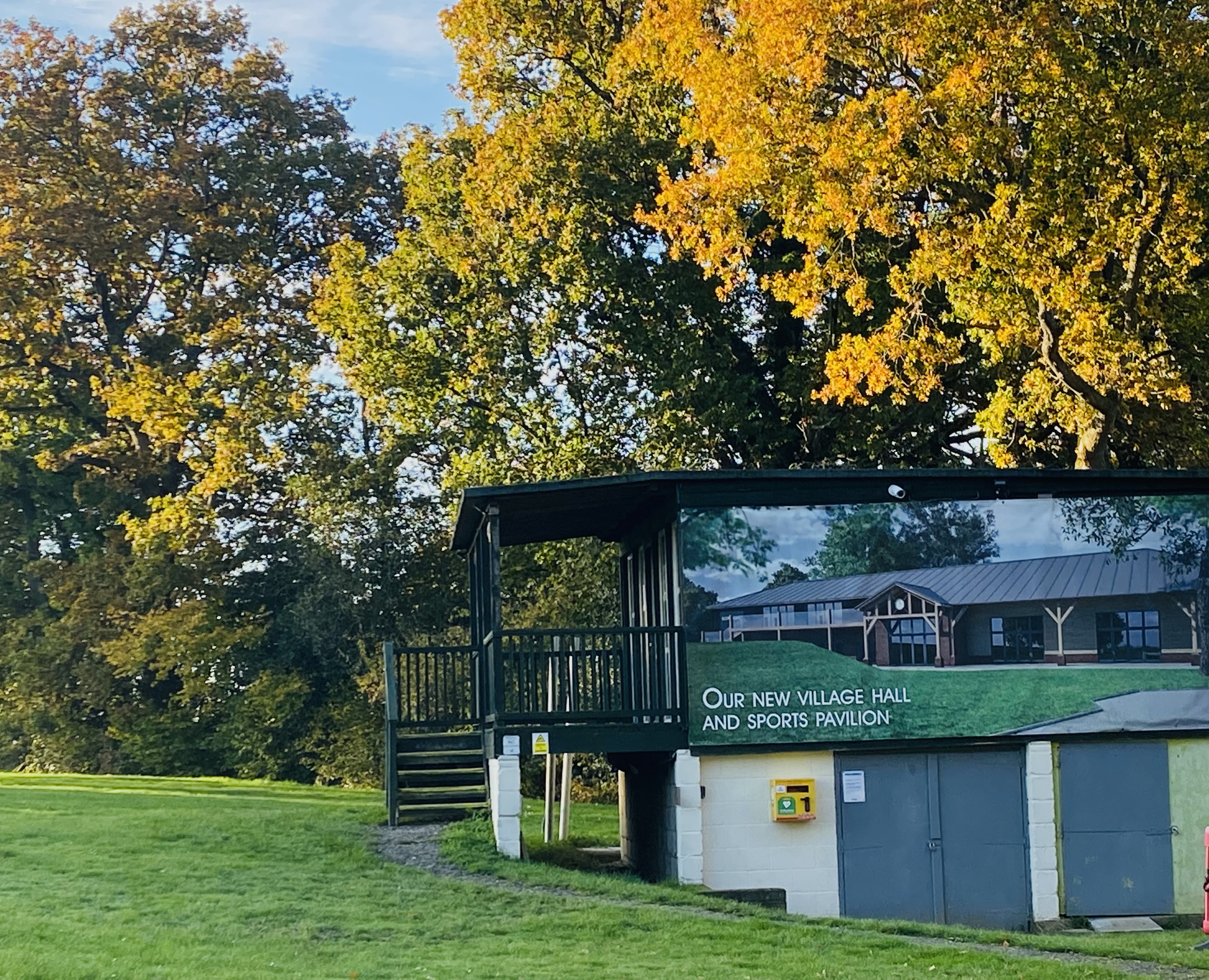
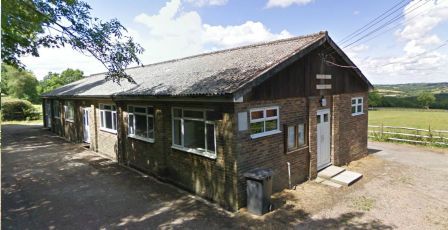
Our existing Sports Pavilion has areas accessible only by stairs. The Village Hall has restricted parking and difficult approaches. Neither building provides the accessibility, flexibility or facilities we should expect from a modern community space.
The consequences are very real.
Older people and those with limited mobility can find access difficult.
The TN22 Club, which supports older residents including people living with dementia, has highlighted the challenge of parking and bringing members safely into the existing Hall.
Parents have told us they want activities for babies and young children.
Residents have asked for health and wellbeing activities.
People want indoor sport.
They want somewhere informal to meet over coffee.
And they want a building in which disability, age or mobility does not determine whether someone can take part.
Accessibility isn’t an additional benefit of this project.
It is one of the reasons the project is needed.
Somewhere to belong — without having to join anything
Not everybody wants to play badminton.
Not everybody wants to perform on stage.
Not everybody wants to join a committee or attend a class.
Sometimes people simply need somewhere to go.
That is why the proposed volunteer-led community café and informal meeting space matter.
Somewhere you can arrive alone.
Somewhere an older resident can meet a friend.
Somewhere a parent can sit with a young child.
Somewhere a volunteer can give a few hours.
Somewhere somebody new to Hadlow Down can begin to find their place in it.
Our community consultation has repeatedly identified the desire for somewhere informal to meet over coffee.
The new centre gives us an opportunity to create something Hadlow Down does not currently have:
An informal community front door.
Part of a wider rural community
Hadlow Down does not exist in isolation.
We are part of a network of rural communities including Buxted, Blackboys, Rotherfield, Five Ash Down, Mayfield and the wider Uckfield area.
We value the community facilities that exist elsewhere and the new centre is not intended to compete with or duplicate them.
Its first purpose is clear: to enable the people of Hadlow Down to participate more fully in community life within their own village.
But a modern, accessible hall of this scale also has the potential to serve a wider rural catchment.
Community provision across the surrounding villages is uneven. Some neighbouring communities have larger or more modern facilities than others, and certain activities require a scale, accessibility or flexibility that smaller local venues cannot provide.
As housing and population grow across the wider area, demand for community infrastructure will grow too.
The new centre could therefore accommodate organisations, activities and outreach services serving people from surrounding communities where appropriate — while remaining firmly rooted in Hadlow Down.
It is a village facility with the potential for wider rural benefit.
Keeping what is special — while making room for something new
We do not want to turn Hadlow Down into somewhere else.
Quite the opposite.
We want to protect the things that make this village itself.
The Fayre.
The panto.
The markets.
The lunches.
The clubs.
The sport.
The celebrations.
The volunteers.
The people who put the chairs out, bake the cakes, paint the scenery, run the raffle, coach the team, serve the lunch, wash the cups and lock the door at the end of the night.
But communities cannot survive on nostalgia.
They need to make room for the next generation too.
Our consultation tells us people want opportunities the present buildings cannot adequately accommodate: children’s activities, indoor sport, health and wellbeing, adult learning, community cinema, arts and performance, flexible activities and somewhere informal to meet.
So the challenge isn’t to choose between old Hadlow Down and new Hadlow Down.
It is to create somewhere they can meet.
What could we lose?
It would be wrong to claim that every village organisation would disappear if the existing Village Hall closed.
Hadlow Down is resourceful and people would try to find alternatives.
But there is a genuine risk that, without a suitable replacement, some activities would have to leave the village, become more difficult to run, reduce what they offer or cease altogether.
And the effect could be cumulative.
One lost class may not change a community.
One lost performance may not change it.
One fewer lunch, market, meeting or gathering may not change it.
But gradually, the number of reasons people have to come together becomes smaller.
The opportunities to volunteer become fewer.
The connections between generations become less frequent.
And a little of the culture that makes a village a community can quietly disappear.
Our aim is to prevent that erosion before it happens.
We have an opportunity not merely to replace a building approaching the end of its useful life, but to safeguard the social infrastructure that allows village life to continue.
And we know people would use something better
Our case is not based simply on aspiration.
The 2023 Community Survey found strong support for new community facilities and showed that shortcomings in existing provision suppress participation.
Residents identified poor access, parking, outdated facilities, unsuitable venues and lack of activities as barriers.
When asked about better facilities, people identified social events, fitness, community cinema, celebrations, education, talks, arts, performance, wellbeing and sport among the things they would use.
And our community has demonstrated its commitment in other ways too.
In the September 2025 Parish Poll, 268 people voted — a turnout of 42%.
A majority supported realising the value of the existing Village Hall site towards the project, and a majority supported Parish Council borrowing of up to £250,000.
That commitment has helped create a potential £500,000 local contribution towards the new Community Centre.
That matters.
Because perhaps the greatest asset we bring to this project isn’t the land.
It isn’t the planning permission.
It isn’t even the money committed locally.
It is a community that still wants to participate.
This is the infrastructure of belonging
Roads, schools, utilities and transport are readily understood as infrastructure.
Community spaces can be overlooked because much of what they enable is harder to measure.
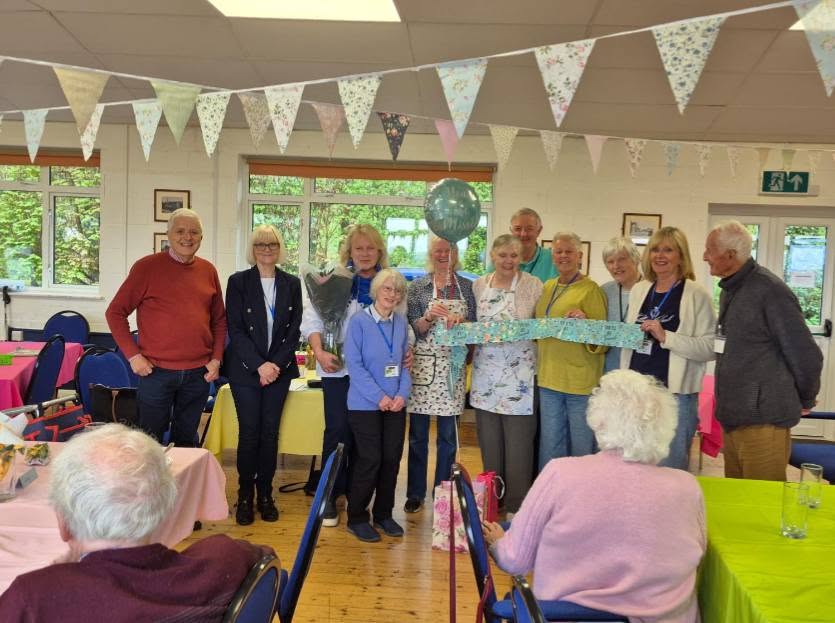
A conversation.
A friendship.
A volunteer finding a purpose.
An older person getting out of the house.
A child appearing on stage for the first time.
Someone joining an exercise class.
A bereaved neighbour finding company.
A newcomer beginning to belong.
A club surviving another generation.
These things do not appear on an architect’s plan.
But they are the reason for building it.
Hadlow Down already has a remarkable community.